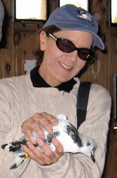
Reflections from Lower Klamath: Waters That Shaped Us, Futures We Must Protect
By The Honorable Lynn Scarlett, Board Chair of the National Wildlife Refuge Association and Former Deputy Secretary of the Department of the Interior
📷 Lower Klamath National Wildlife Refuge sights and wildlife | Lynn Scarlett
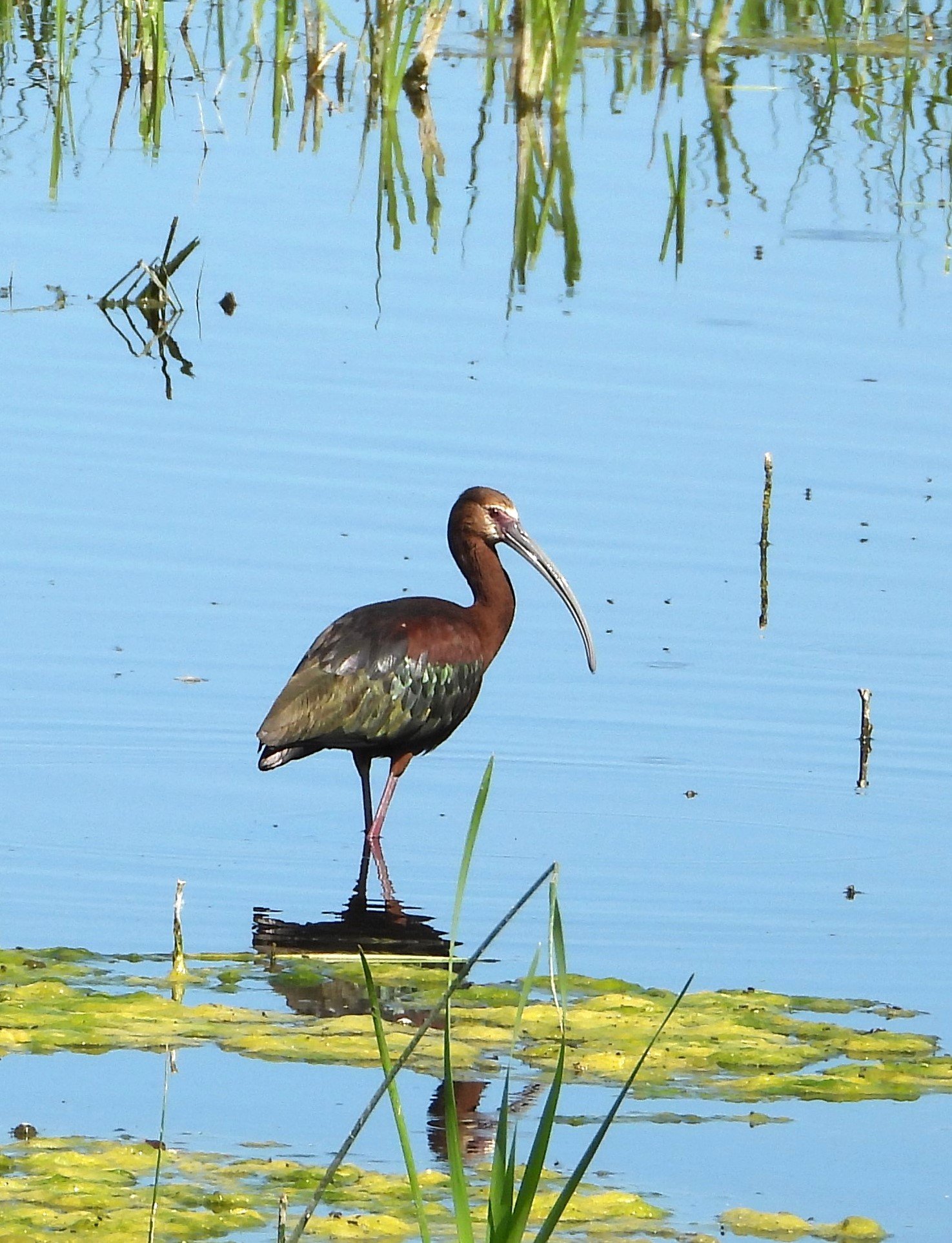
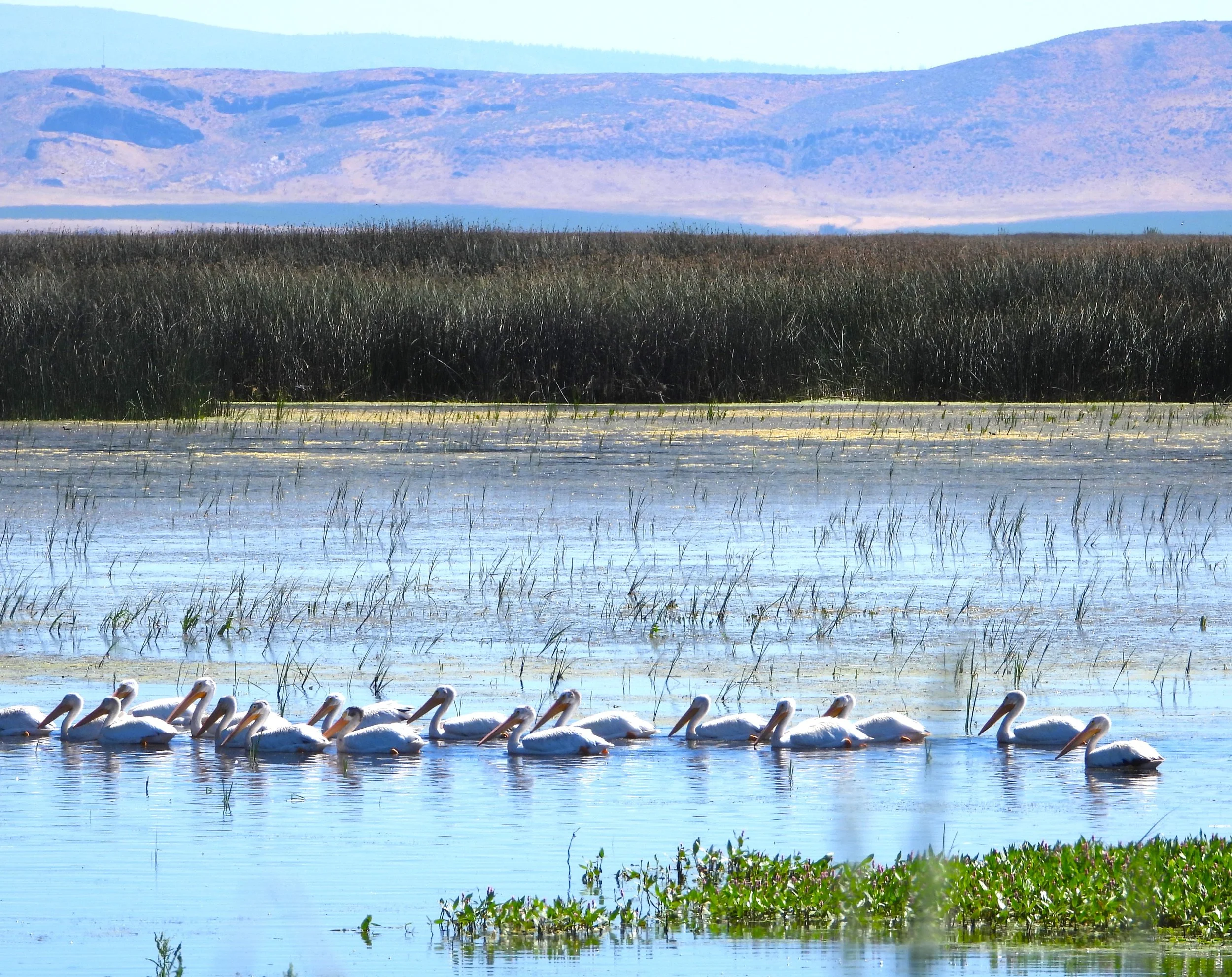
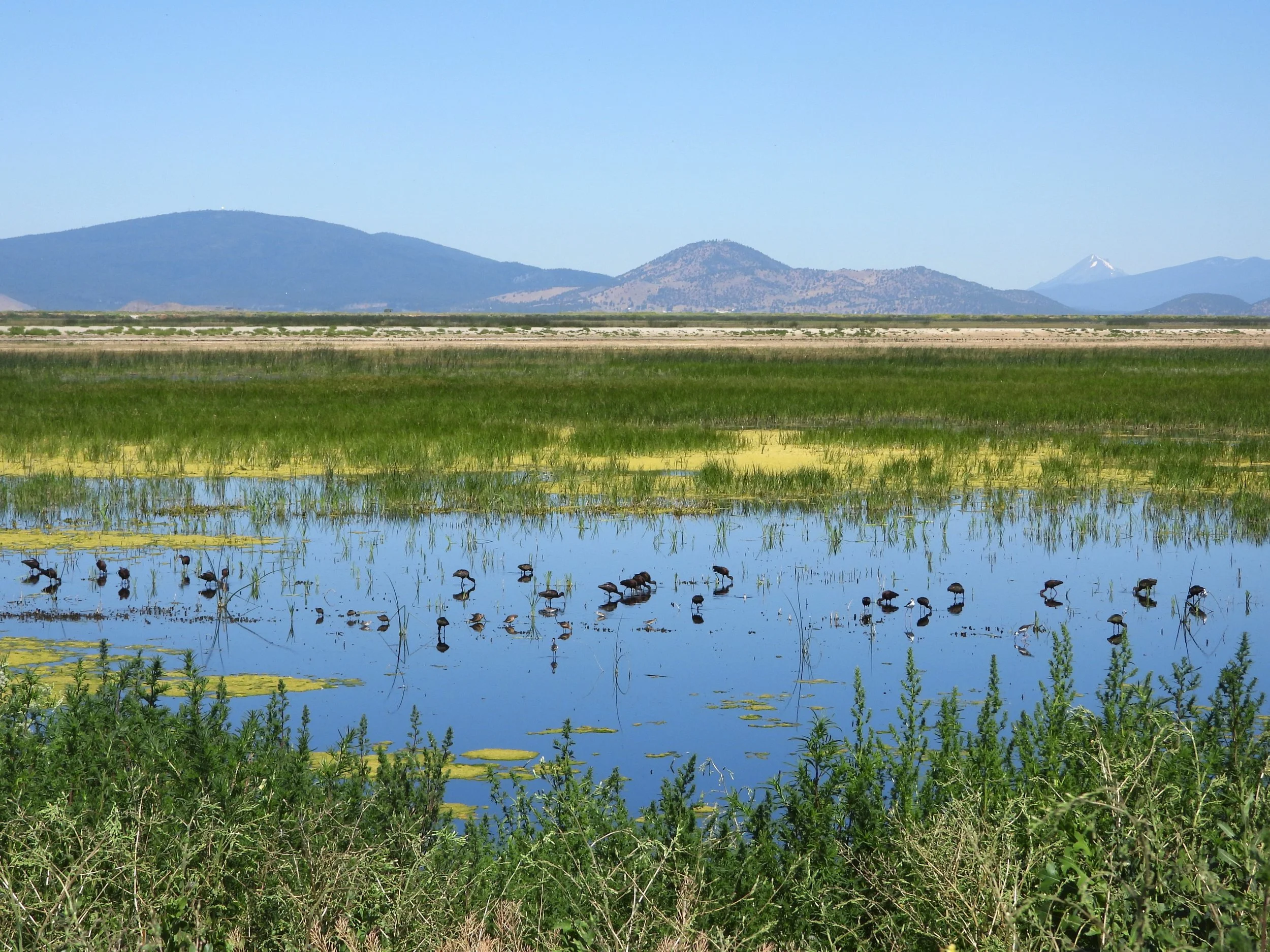
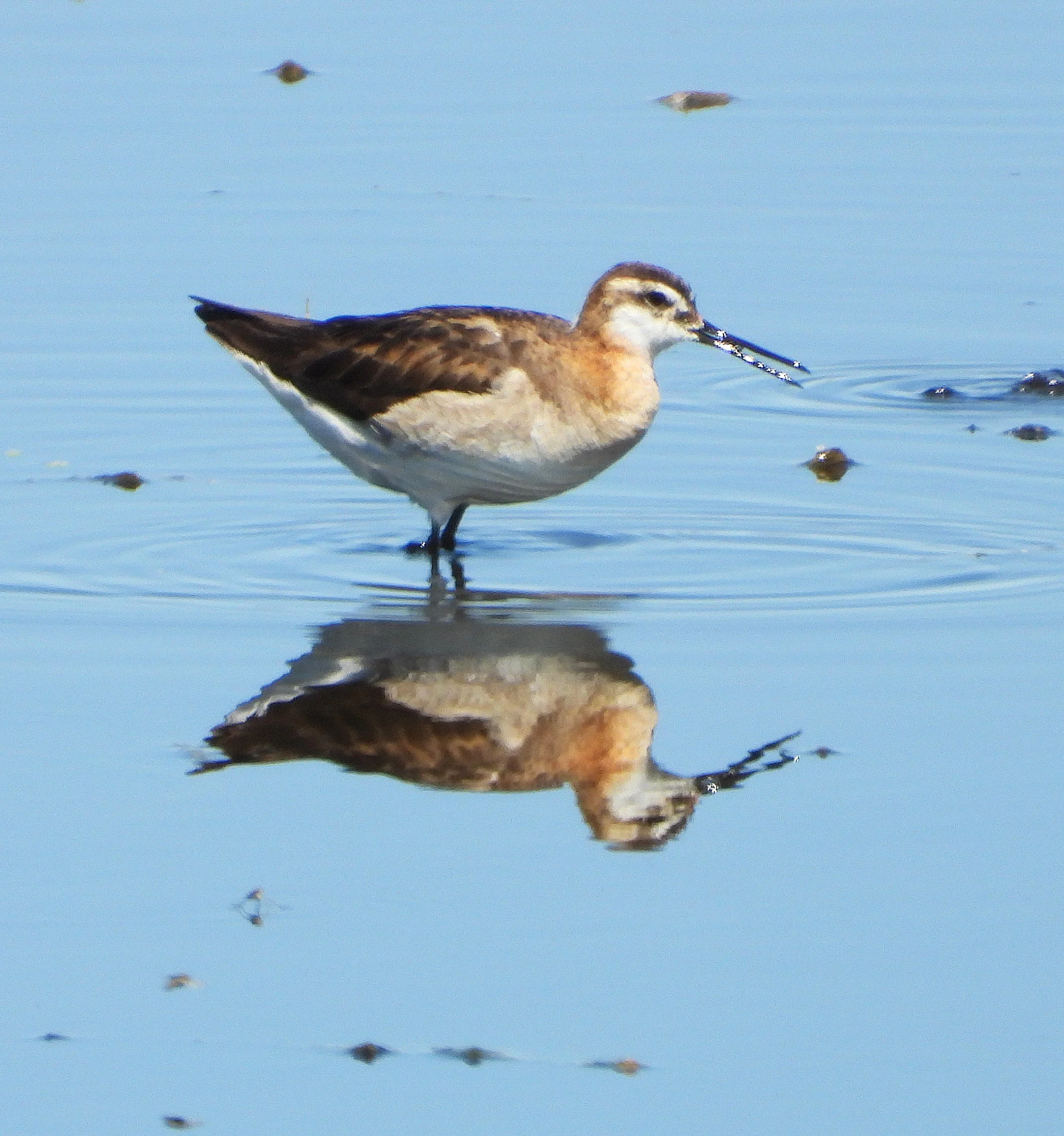
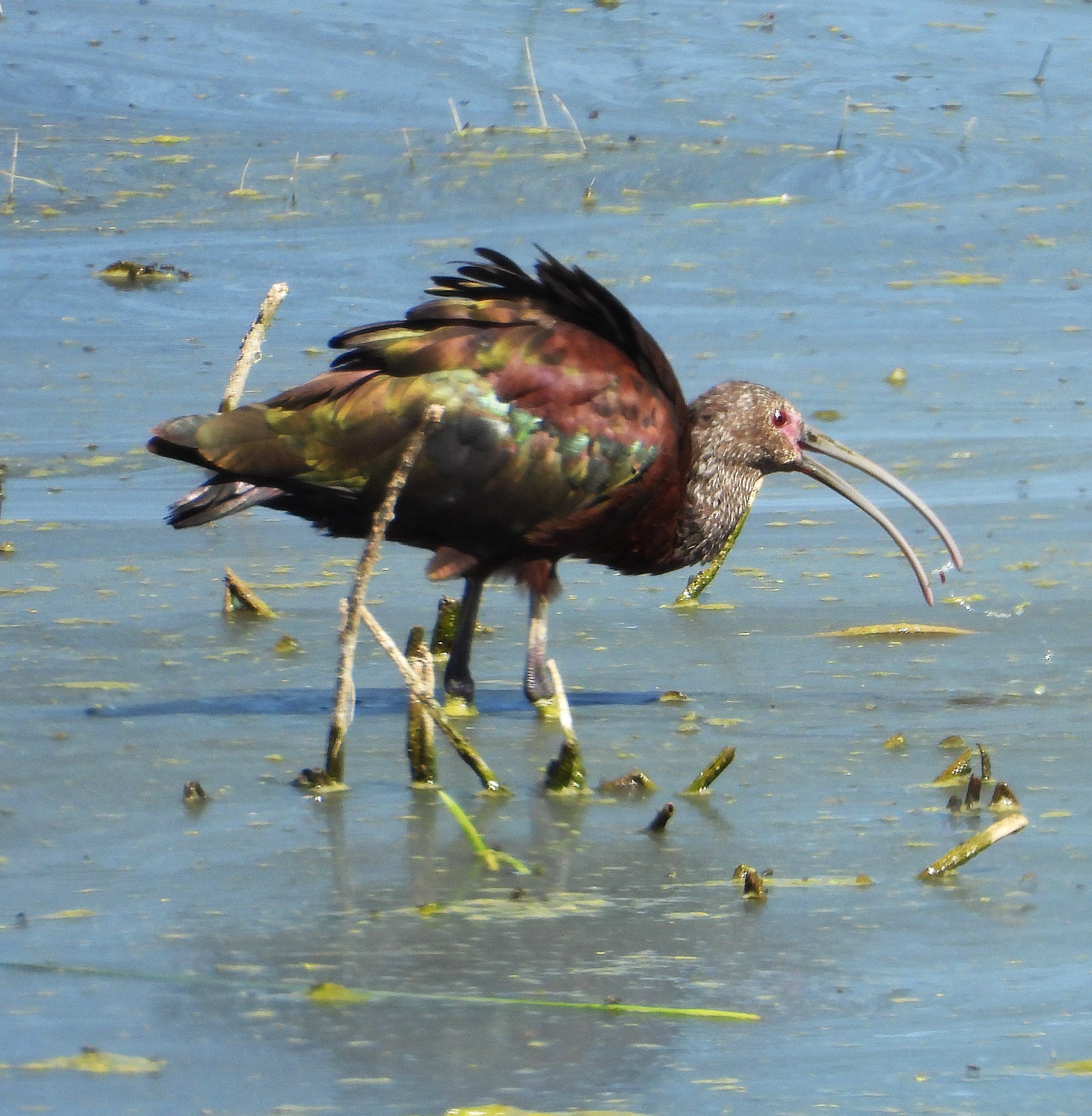
Mount Shasta, snow-covered, loomed in the background. Stretched out before me, marshlands sparkled, and hundreds of white-faced ibis, Wilson’s phalaropes, black-necked stilts, and long-billed dowitchers brought the landscape alive as they twirled, probed, and pranced in pursuit of breakfast. Hundreds (maybe a thousand) red-winged blackbirds winged overhead. The site? Lower Klamath National Wildlife Refuge that straddles the Oregon-California border.
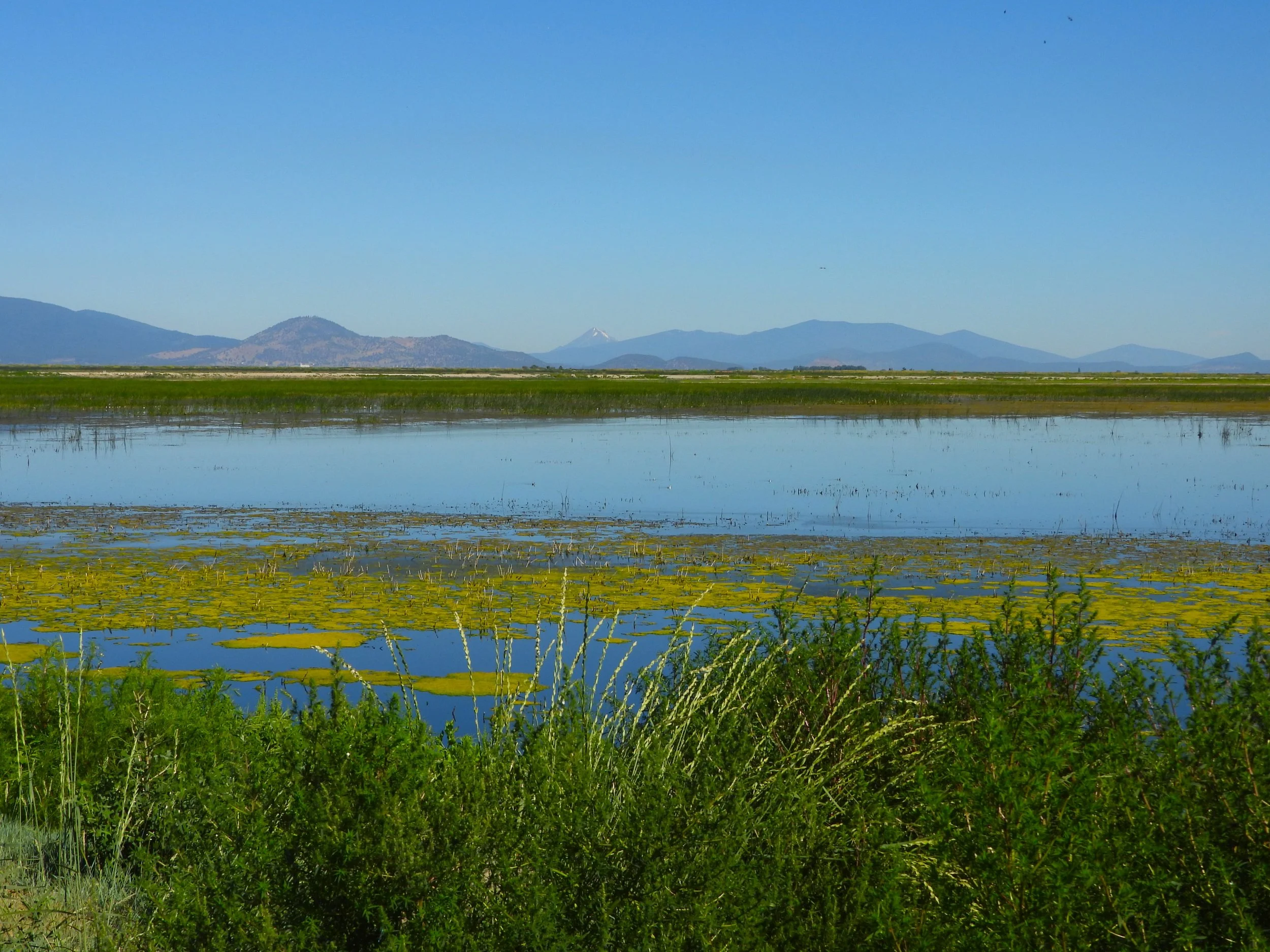
I imbibed this beauty, this diversity of life. I contemplated the interconnection of this life with other natural places, thinking of the journey of dowitchers from Alaska, some ending up as far south as Guatemala. I contemplated national wildlife refuges across the nation that are anchors of conservation in otherwise often fractionated and disturbed landscapes.
Yes, these wildlife refuges offer essential habitat for flora and fauna. But they also enhance the lives and livelihoods of people, support cultural traditions, and sustain natural systems that support all life. Yet all is not well.
At the Klamath Refuge Complex visitor center, a volunteer greeted visitors. We talked about managing the area refuges with a vastly depleted staff—from 12 maintenance personnel down to three in just a few short years. This tale repeats across the nation with a loss of hundreds of staff in cuts taken without any assessment of capacities, functions, and operations. National Wildlife Refuge System staff were already stretched thin, with budgets failing to keep up with system costs.
New reductions imperil these wildlife refuges in which the public has invested for over a century. Over 120 years ago, eying the devastating impact of the bird feather trade on populations of pelicans and wading birds, Pres. Teddy Roosevelt established the first national wildlife refuge at Pelican Island in Florida. Today, some 570 refuges, large and small, protect marshes, grasslands, islands, open waters, prairie potholes, and more.
Hunting and fishing communities depend on these places. Less apparent is their invisible role in helping maintain pure waters for adjacent communities, marshland safety buffers against extreme storms and flooding, habitat for pollinators, sequestration of carbon, and more. Increasingly evident is their role in nurturing the health and well-being of people.
Think of children. Urban refuges invite children into nature. Richard Louv reminds us in his book, The Last Child in Nature, “time in nature is not leisure time; it’s an essential investment in our children’s health…and also”, he added, “in our own well-being.”
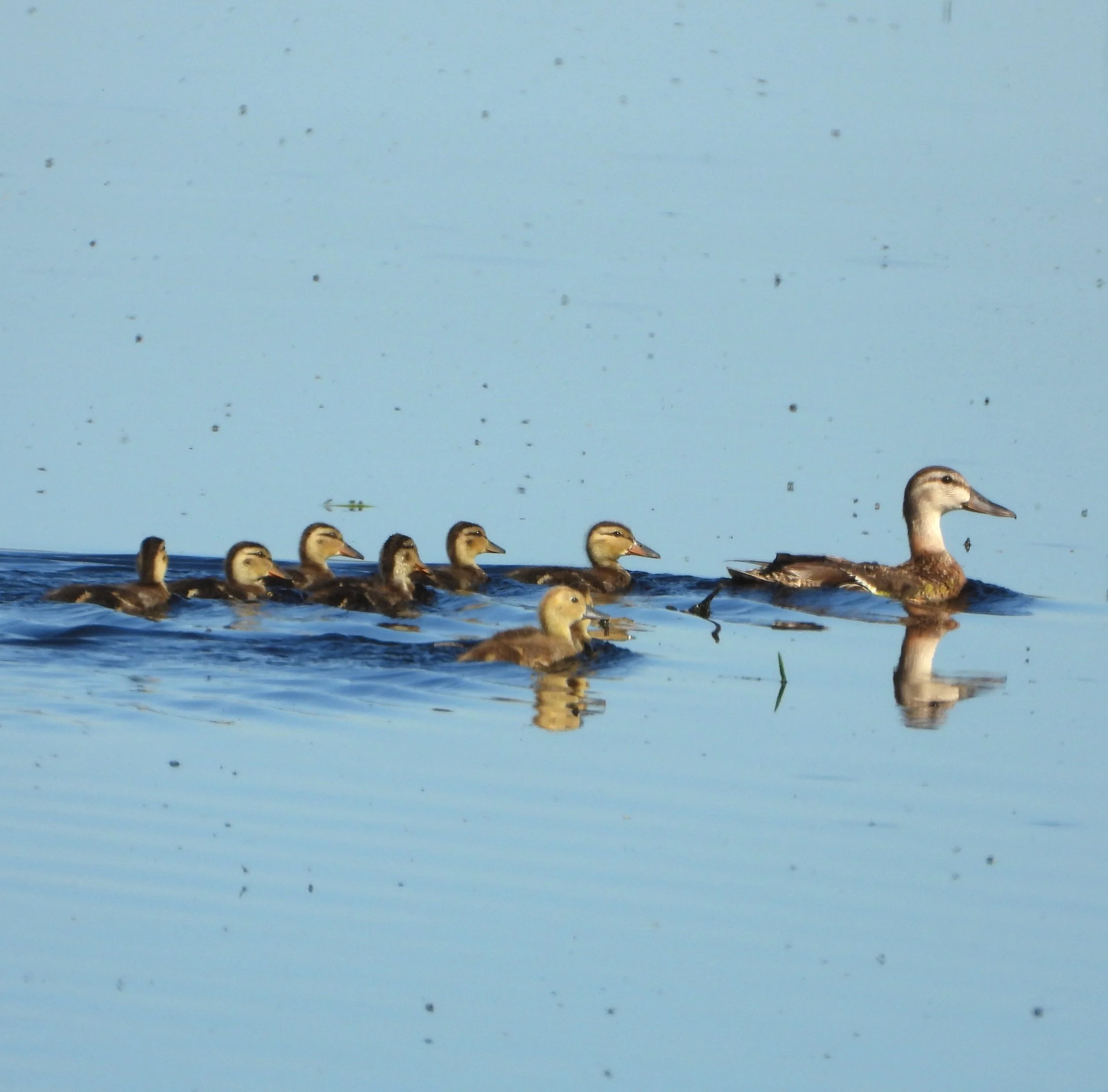
I grew up in Western Pennsylvania with 27 acres of woodland park behind my house. My mother, font of so much wisdom and knowledge of birds, flowers, trees, and more, took her daughters into the woods. There, we experienced the beauty of a summer tanager and the haunting music of the wood thrush. We rummaged in the stream finding what we called crawdads.
I was so lucky to touch nature so early in my life. Not all are so fortunate. My daughter once taught in an east Oakland school. Wanting to take her class to Muir Woods, she learned some had never set foot on surfaces other than asphalt. Many had never seen the ocean—just miles away. Yet, as Yale Social Ecologist Dr. Stephen R. Kellert has concluded, “children’s direct and regular experience of the natural world is an irreplaceable dimension of healthy maturation and development.”
Nature is, it turns out, fundamental to health—mental, emotional, and physical health. Our Refuge System, across all fifty states and U.S. territories, offers essential opportunities to connect people and nature. They sustain the natural places so essential to our well-being. And they need our help!
There is so much that needs our caring hands. Invasive plant species exacerbate fire risks. Draining of wetlands augments flooding risks. Loss of coastal marshes puts coastal communities at risk of damage from storm surge. Populations of so many types of birds have dropped 75, 80, even 90 percent. I confess—I just love birds. It breaks my heart to contemplate a silent spring that, six decades ago, author Rachel Carson imagined. Our refuges are a critical piece of the puzzle of ensuring healthy lands, waters, and wildlife.
I remember going to Midway Island in the Pacific Ocean, centerpiece of a wildlife refuge and the Papahānaumokuākea National Marine Monument, when I served at the Interior Department. Without this protected place, over 70 percent of Laysan albatross would lose their breeding grounds. But this story is the same across the nation, where many refuges are the last stronghold for so many species.
Yet these refuges do not manage themselves. Visitor enjoyment and thriving wildlife refuges depend on the staff that maintain roads and facilities, manage water systems, mitigate catastrophic wildland fire risk, monitor species health, and so much more that requires a combination of science, management skills, and partnerships with surrounding communities.
It is hard to overstate the caliber and commitment of refuge staff. I recall Hurricane Katrina, so devastating to New Orleans. Much of the city was under water; people sat on rooftops hoping to be rescued. U.S. Fish and Wildlife Service employees, adept at driving boats and using heavy equipment, sprang into action removing debris and saving people. They acted even when many had flooded homes and personal traumas. No one asked them to set to work. They just set to work. And they do so every day, at every refuge across the nation.
I hope you explore our refuges, listen to the haunting sound of tens of thousands of snow geese lifting off at dawn at Prime Hook NWR, or sandhill cranes taking flight at Bosque del Apache, or dozens of vermillion flycatchers, red ornaments dotting trees above a wetland at Cabeza Prieta NWR, or glimpse a red wolf at Pocosin Lakes NWR in North Carolina. Explore these refuges and help us at the National Wildlife Refuge Association help them.