
Andrew Gude Named Recipient of the 2025 Paul Kroegel Award - Refuge Manager of the Year
For Immediate Release February 6th, 2026
Contact: Eden Taylor etaylor@refugeassociation.org
Florida conservation leader honored for watershed-scale conservation and community partnerships at Lower Suwannee and Cedar Keys National Wildlife Refuges
SUWANNEE, FL – The National Wildlife Refuge Association is proud to announce that Andrew Gude has been named recipient of the 2025 Paul Kroegel Award - Refuge Manager of the Year, one of the top honors of the 2025 National Wildlife Refuge Awards. The annual Wildlife Refuge Awards honor those whose service strengthens the National Wildlife Refuge System — the nation’s only network of public lands and waters dedicated to wildlife conservation.
Gude is recognized for his visionary leadership at Lower Suwannee and Cedar Keys National Wildlife Refuges in Florida, where he built strong community partnerships and advanced conservation that reaches far beyond refuge boundaries.
Restoring Rivers & Reforesting Florida’s Uplands
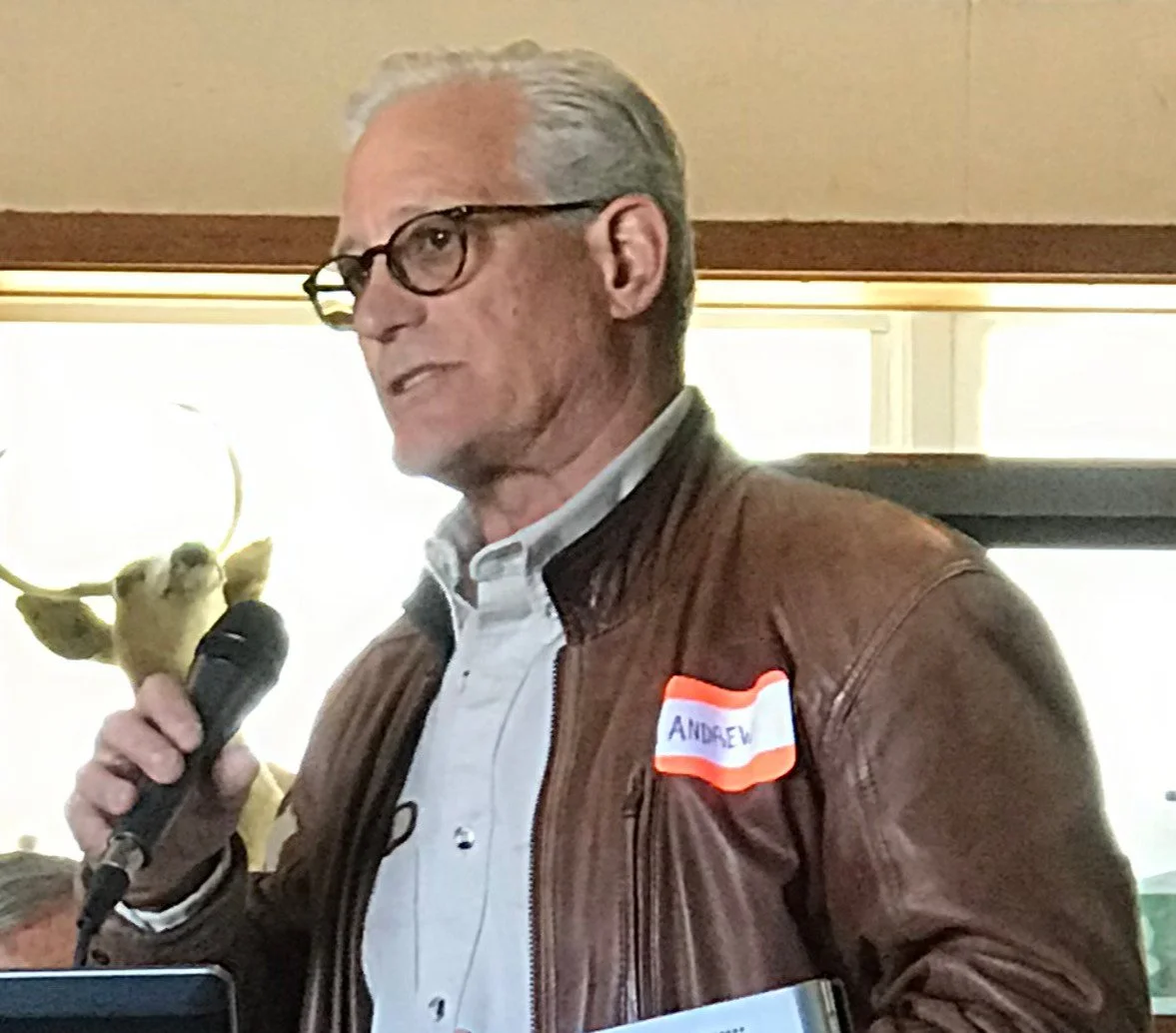
From 2011 till his recent retirement, Gude led the Lower Suwannee and Cedar Keys NWRs with an inclusive and accessible style. Known for posting his personal cell phone number on public materials, he made himself available to residents, students, and visitors alike. He worked hand in hand with Friends of the Lower Suwannee & Cedar Keys Refuges, Tribes, universities, and local governments to deliver conservation projects that benefit both people and wildlife.
One of his most significant achievements is the Hydrology Restoration Project, which is reconnecting 53,000 acres of wetlands and forests to the Suwannee River and Gulf of Mexico. Decades of logging roads had cut off natural water flow, fragmenting habitat and starving estuaries of the fresh water they depend on. With more than $6 million secured during his tenure, Andrew led efforts to remove old roadbeds and restore flows — work that will improve water quality, rebuild oyster reefs, sustain commercial and recreational fisheries, and strengthen the Gulf’s aquaculture industry.
Gude also advanced a longleaf pine reforestation program, planting more than 60,000 trees on uplands once dominated by timber monocultures. This effort returned diversity to the forest, expanding pollinator habitat and improving conditions for birds, reptiles, and mammals. Regional foresters praised the project as a model of how to restore southern pine ecosystems and called for its strategies to be shared across the Refuge System.
At the same time, he expanded fire management and habitat restoration through innovative resource-sharing with neighboring refuges and state agencies. Under his leadership, prescribed fire was used to rejuvenate grasslands and forests, improving both ecosystem health and public safety.
Gude prioritized research as a cornerstone of management. He supported long-running butterfly surveys that inform pollinator conservation, worked with the Avian Research and Conservation Institute to track swallow-tailed kites from Florida to Brazil, and partnered with the Cornell Lab of Ornithology to test bioacoustics at the Seahorse Key rookery, broadcasting recorded bird calls in hopes of attracting nesting herons and egrets back to historic sites.
Safeguarding the Gulf Coast’s Wild & Cultural Treasures
The Lower Suwannee and Cedar Keys NWRs encompass some of Florida’s most unique landscapes — tidal rivers, expansive salt marshes, estuaries, and relic dunes rising above the Gulf. These habitats shelter bald eagles, swallow-tailed kites, roseate spoonbills, and thriving oyster reefs, while also supporting commercial fisheries, aquaculture, and working waterfront communities.
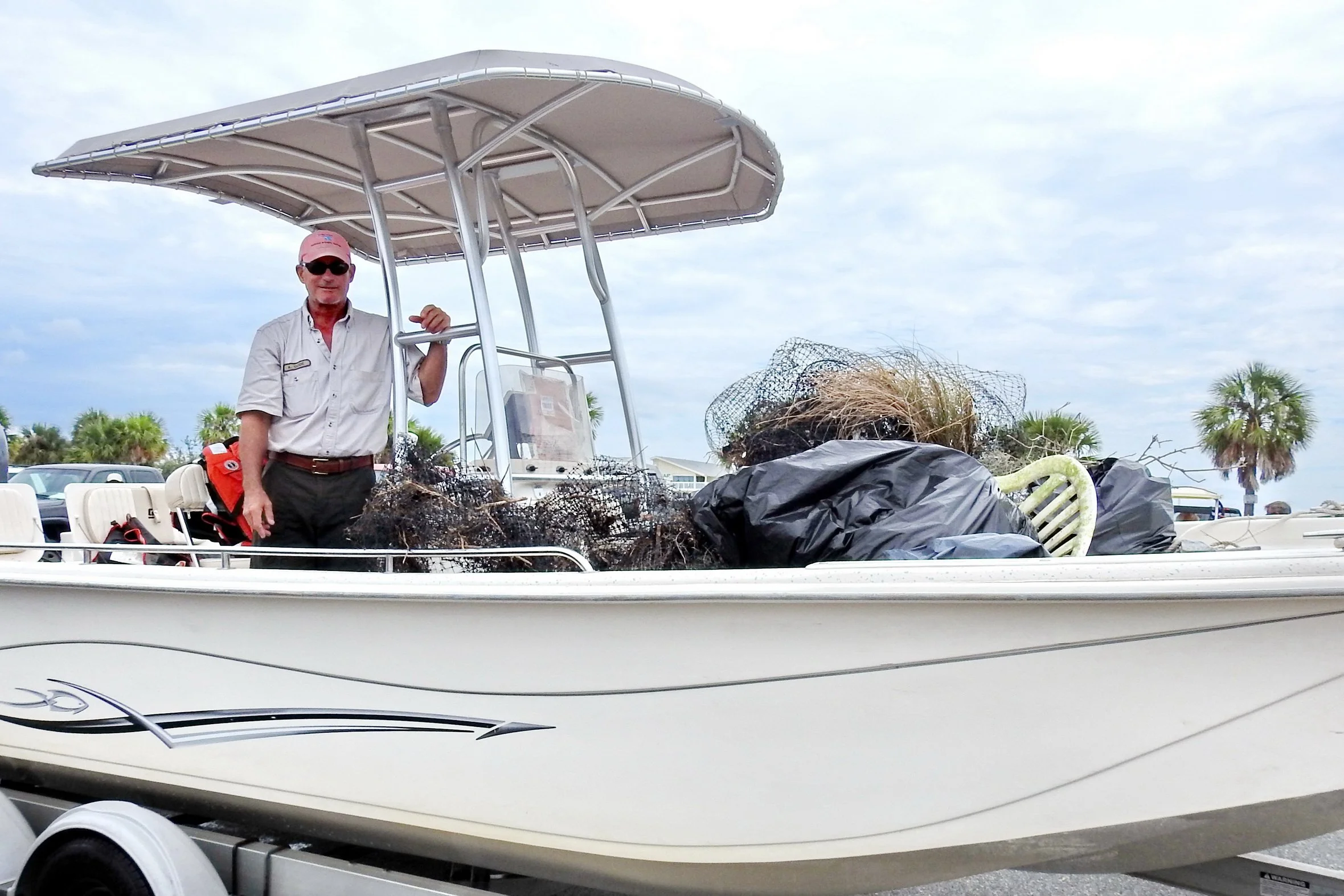
Gude ensured that cultural history was valued alongside natural resources. At Vista Camp and Shell Mound, sites with deep Indigenous and settler history, he worked closely with Friends and the State of Florida to weatherize historic buildings, secure grants for research, and prepare for public access. These projects connected community members to their heritage while reinforcing the refuge’s role as steward of both cultural and ecological treasures.
At Seahorse Key, the highest island on Florida’s Gulf Coast and home to a 19th-century lighthouse, Gude partnered with the University of Florida’s Nature Coast Biological Station to restore facilities, improve access for students and researchers, and manage invasive species. When hurricanes battered the island, causing shoreline erosion and damaging research stations, he coordinated recovery efforts that allowed research and education programs to continue. These efforts demonstrated his commitment to resilience — ensuring both historic structures and living ecosystems could withstand the challenges of a changing climate.
“I can honestly say, for me one of the best things about being a Friends’ president was getting from Andrew a much better understanding of the importance of the Refuge system. An example was his enthusiastic description to a group of 4th grade Junior Ranger candidates of how he knew at an early age – like 10 maybe – that he wanted to protect the public lands he spent much of his time romping around in, from potential indiscriminate development. Thank you, Andrew!” said Denise Feiber, Immediate Past President of the Friends of Lower Suwannee & Cedar Keys National Wildlife Refuge.
Building Partnerships That Last
Gude’s legacy is also defined by his ability to build durable, trust-based partnerships. He understood that refuges cannot thrive in isolation; they must be anchored in the communities that surround them.
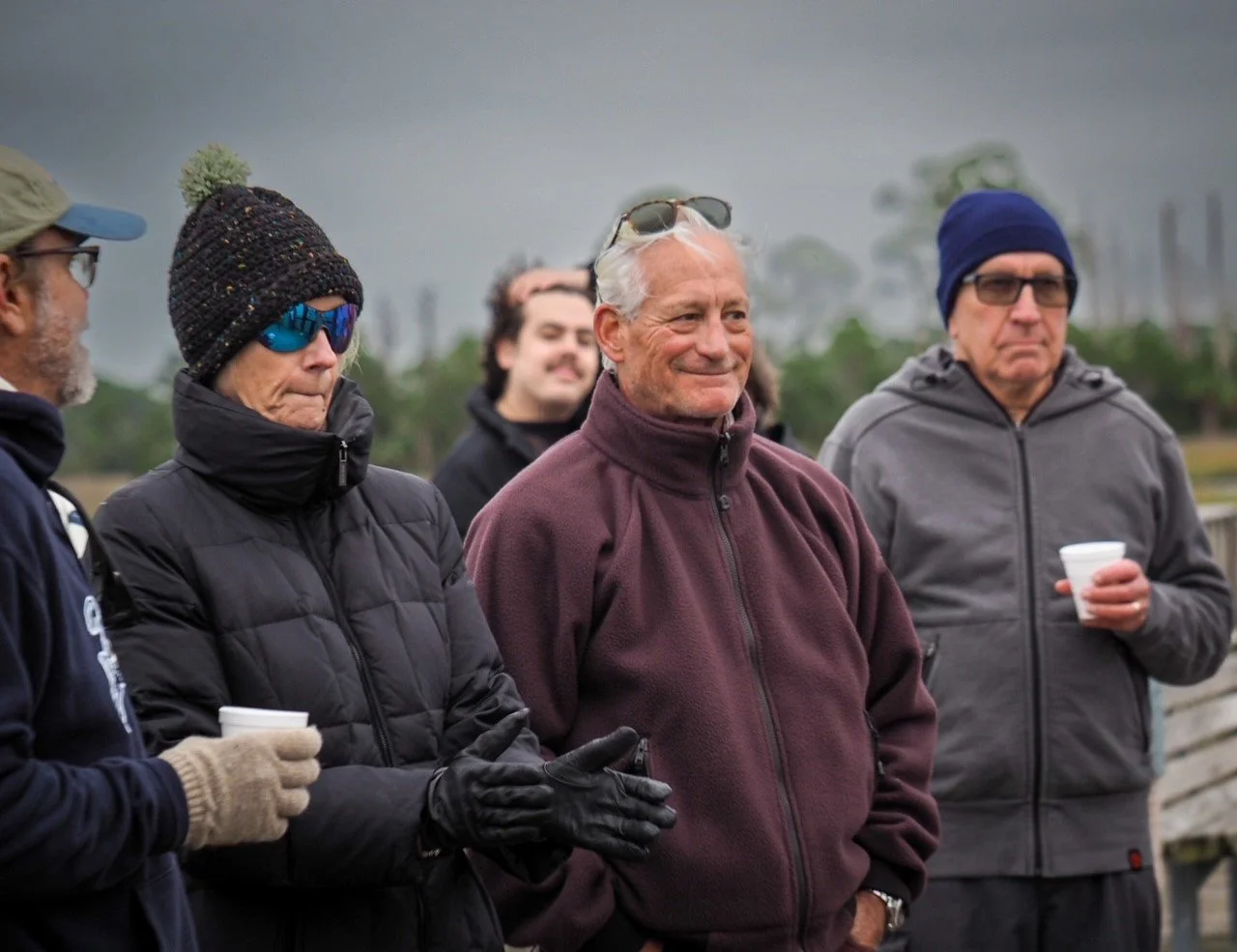
With the Friends of Lower Suwannee & Cedar Keys Refuges, Andrew’s support went far beyond the expected. He attended every board meeting, regularly contributed updates for newsletters, and worked side by side with volunteers — whether leading Junior Ranger classes for fourth graders, serving meals at the Friends’ annual barbecue, or pitching in on cleanup crews at Vista Camp. Friends leaders say his willingness to listen, value feedback, and treat them as equals strengthened the refuge’s bond with the community.
His collaboration extended far beyond the refuge boundaries. With The Conservation Fund, he supported conservation easements that have permanently protected more than 45,000 acres of land buffering the refuge, safeguarding water quality and habitat corridors while preventing development. With Mayor Sue Colson and the town of Cedar Key’s aquaculture community, he partnered on projects that tied ecological restoration to the health of the local economy. With Dixie County, he found solutions to maintain the nine-mile Dixie Mainline Road — a commuter route vital to local residents but also part of the refuge — ensuring safe travel while protecting wildlife.
Lower Suwannee and Cedar Keys National Wildlife Refuges safeguard one of the largest undeveloped river-delta estuarine systems in the southeastern United States, spanning tidal rivers, salt marshes, estuaries, and upland forests that provide habitat for Gulf Sturgeon, West Indian Manatees, Wood Storks, and countless migratory birds. They are part of the more than 570 national wildlife refuges that make up the National Wildlife Refuge System — a network of over 850 million acres of lands and ocean that conserves wildlife while providing clean water, flood protection, and outdoor recreation for communities nationwide. Under Andrew’s leadership, these refuges have become models of place-based conservation, where ecosystem restoration, cultural stewardship, and community partnerships come together to benefit both people and wildlife.
“I have known Andrew for many years and have always been impressed by his unwavering work ethic and deep dedication to our Refuges. He was the kind of manager who never hesitated to roll up his sleeves and do whatever it took to get the job done right. His hands-on leadership and commitment to stewardship made a lasting impact. Thank you, Andrew, for taking care of our Refuges all these years—you’ve truly made a difference,” said Ron Kamzelski, President of the Friends of Lower Suwannee & Cedar Keys National Wildlife Refuge.
"Andrew was an exemplary public servant—always ready to listen, lead, and connect with the local community. His vision and dedication were instrumental in working with The Conservation Fund, the State, and other partners to create a +45,000-acre conservation easement buffer around the Lower Suwannee National Wildlife Refuge. He was also a critical advocate for hydrological restoration on the Refuge that will leave a lasting legacy on the Gulf,” said Lauren Day, Florida State Director of The Conservation Fund
A Legacy Rooted in Florida, Reaching Nationwide
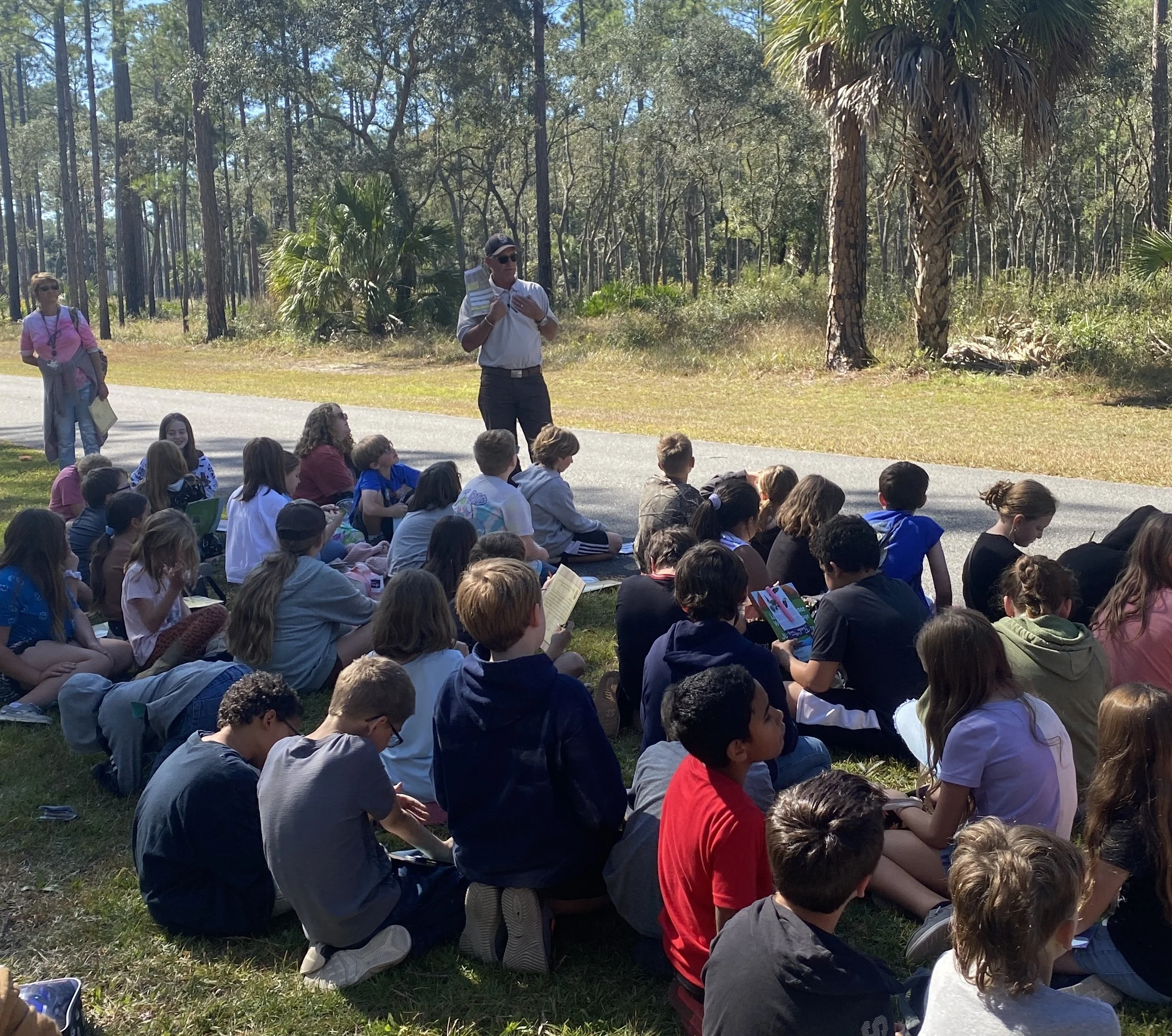
Andrew’s leadership has touched every level of the Refuge System. By restoring ecosystems vital to Florida’s Gulf Coast and elevating community voices, he showed how a refuge can serve as both a sanctuary for wildlife and a partner to people. His work continues to inspire refuge managers and partners nationwide, offering a model of how place-based leadership can have national impact.
“Anyone who’s worked in Florida’s Big Bend knows the name Andrew Gude. He’s the guy with his cell number on the hunt brochure, the manager who shows up at a Friends barbecue with tongs in hand, and the leader who figured out how to get $6 million in the door to restore a river system. Andrew shows us what the Refuge System is really made of — people with grit, heart, and a relentless drive to make conservation real for both wildlife and communities,” said Desirée Sorenson-Groves, President & CEO of the National Wildlife Refuge Association.
“When you travel Florida’s Big Bend, you see a rare sweep of rivers, estuaries, and forests that still move in rhythm with the tides. Under Andrew’s guidance, those landscapes have been given new resilience — water flows restored, longleaf forests replanted, and cultural sites cared for with respect. His work shows us that the Refuge System is not just about protecting wild places, but about stitching together the stories of land, water, wildlife, and community. That is a legacy that will last,” said The Honorable Lynn Scarlett, Board Chair of the National Wildlife Refuge Association.
Recognition Events
Andrew Gude will be recognized locally at a celebration on Saturday, February 21, 2026, from 10:00–2:00 pm ET at Treasure Camp River Retreat in Fowlers Bluff, Florida, in partnership with the Friends of Lower Suwannee & Cedar Keys NWRs. To RSVP and for more information please visit refugeassociation.org/andrew.
His story will also be featured nationally during the 2025 National Wildlife Refuge Awards — Virtual National Celebration of the Refuge System on Tuesday, March 24th, 2026, at 7:00 pm ET refugeassociation.org/livestream.
To learn more visit refugeassociation.org/awards.
###
As the only nonprofit solely dedicated to supporting the National Wildlife Refuge System, the National Wildlife Refuge Association protects, promotes, and enhances America’s wildlife heritage through strategic programs that serve the Refuge System and wildlife beyond its boundaries. The organization addresses Refuge System funding, management, and strategic growth, while also promoting programs that maximize the system’s conservation impact.
The National Wildlife Refuge Awards, presented annually by the National Wildlife Refuge Association since 1994, honor the exceptional contributions of volunteers, professionals, and partners who strengthen the National Wildlife Refuge System. Now in their 31st year, the awards celebrate the people whose passion and dedication protect wildlife, restore ecosystems, and connect communities to the natural world.
The National Wildlife Refuge System is the largest network of public lands and waters in the world dedicated to wildlife conservation, encompassing more than 570 refuges and 850 million acres. Managed by the U.S. Fish and Wildlife Service, refuges provide critical habitat for thousands of species and offer opportunities for Americans to experience nature through hiking, hunting, birding, photography, and education.
